Mixing fixer, and the clip test that tells me when it is tired
Fixer looks exactly the same when it is fresh and when it is exhausted. A thirty-second test with a scrap of film leader tells the difference.
Developer gets all the attention, but fixer is the step that decides whether a negative will still be printable in thirty years. Underfixed film looks fine on the day. A few years later it turns purple or brown, and there is nothing you can do about it.
I use a rapid fixer diluted 1+4, mixed one litre at a time in a brown glass bottle. The bottle has a strip of masking tape on it, and every time I fix a roll I add a stroke with a pencil. That count is the first warning. The second, more reliable one is the clip test.
The clip test
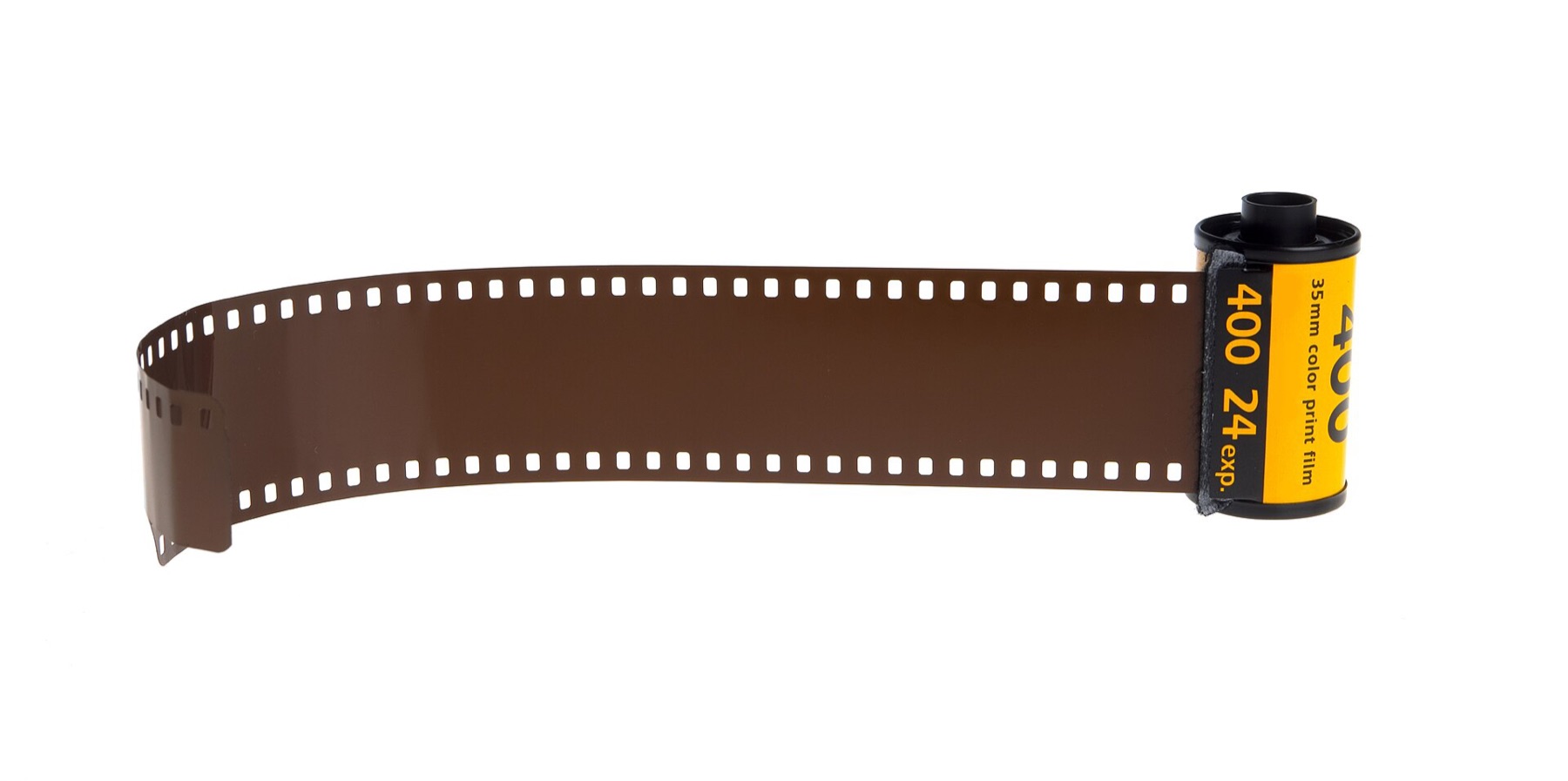
When I load a roll I cut off the leader, the first few centimetres that were exposed while loading the camera, and keep it in a film can. Before a developing session I drop a small piece of that leader into a shot glass of the fixer I am about to use and start a timer.
At first the film is milky and opaque. After a while it turns clear, and that moment is the clearing time. With fresh fixer, HP5 clears in about forty seconds at 20 °C. My rule is to fix for at least twice the clearing time, and to throw the fixer away when the clearing time is double what it was when the batch was fresh.
| Fixer state | Clearing time (HP5 leader) |
|---|---|
| Fresh, 1+4 | 40 s |
| After ten rolls | 55 s |
| After eighteen rolls | 80 s, time to mix a new litre |
Things I learned the hard way
- Tabular-grain films clear more slowly than traditional films. If I fix those, I test with a scrap of the same film.
- Fixer used for paper should not go back into the film bottle. Paper loads it with silver much faster.
- Cold fixer works slowly. In winter I warm the bottle in the water bath with everything else.
Disposal
Used fixer carries dissolved silver, and I do not pour it down the drain. It goes into a labelled canister and, a few times a year, to the local collection point for hazardous household waste. Developer and stop are a different story, but fixer is the one that should never go into the sink.
It is a small ritual: a shot glass, a scrap of film, half a minute of watching. It is also the cheapest insurance I know for the negatives I care about.
— Elin, 5 May 2024