Cold shutters: a winter week with an old camera
At minus twelve the slow speeds of my folding camera stopped behaving. Notes on old lubricants, film that snaps, and keeping a camera warm inside a coat.

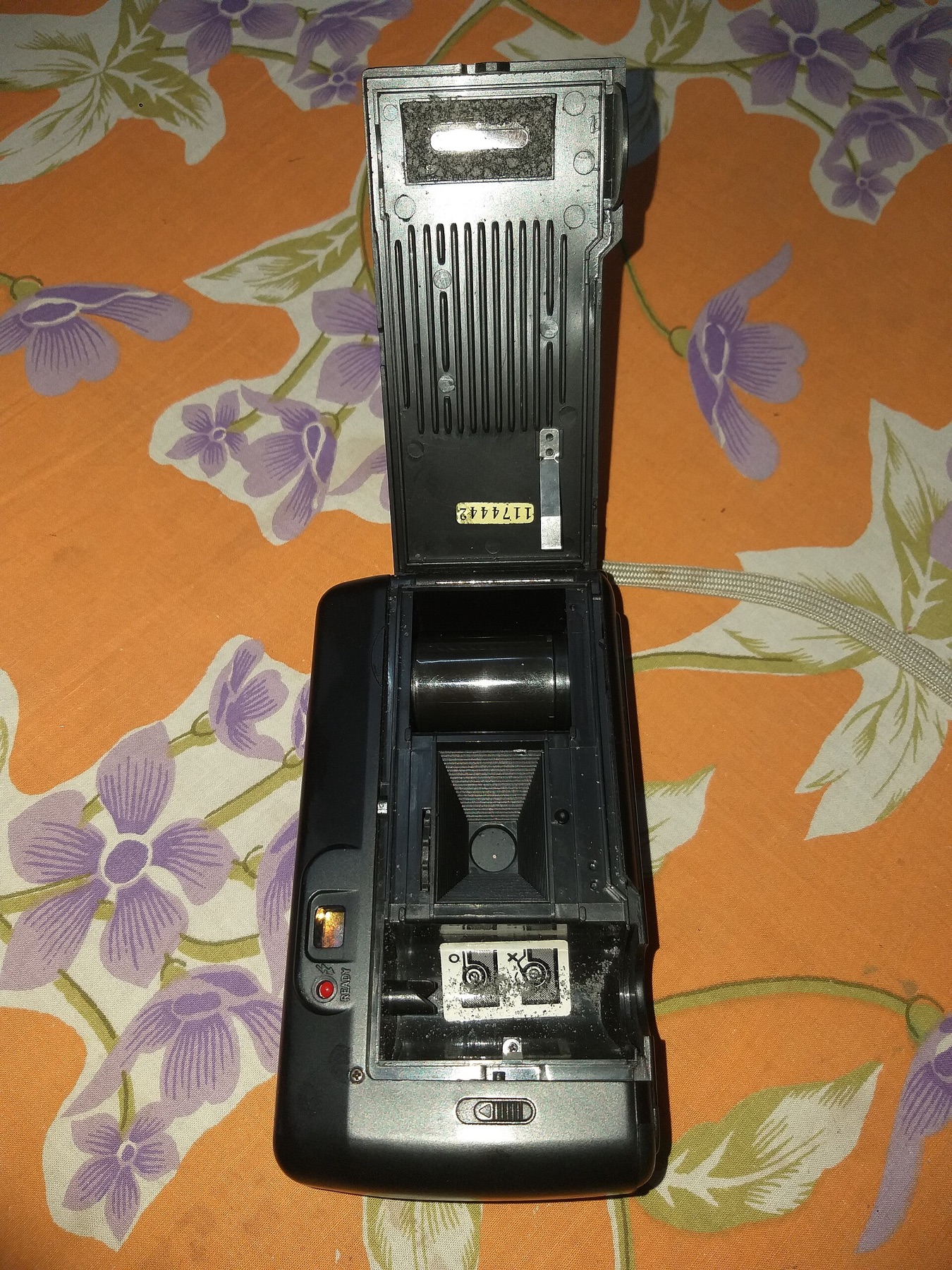
The last week of January was properly cold, minus twelve in the mornings and never above minus five. I took the folding camera out on three of those days. It worked perfectly on the first day, badly on the second and not at all on the third, and the reason was the same each time: temperature.
What happened
On the second morning, after an hour outside, the one-second exposure took nearly two seconds, and the 1/2 lingered as well. The faster speeds sounded normal. That is the classic sign of old lubricant in a leaf shutter. Grease that is merely sluggish at room temperature turns into something like cold honey, and the slow-speed escapement, which depends on small gears turning freely, slows down.
On the third day the shutter fired at 1/250 but the blades did not quite close on the slow speeds. I stopped shooting with it after two frames.
What helped
- Carrying the camera inside my coat, against a sweater, and only taking it out for a frame. After a minute in the cold it went back in.
- Using faster speeds. I loaded Tri-X instead of FP4 so I could stay at 1/125 and above.
- Winding slowly. Cold film is brittle, and on 35mm cameras a fast stroke can tear the sprocket holes or produce static marks, little lightning shapes on the negative.

Coming back inside
The real danger is the warm flat. A camera brought from minus twelve into a warm room fogs up inside and out within seconds, and condensation inside the lens is how fungus gets started. I put the camera in a zip bag before I go inside and leave it in the bag for an hour until it warms up. The condensation forms on the bag, not the lens.
The pictures
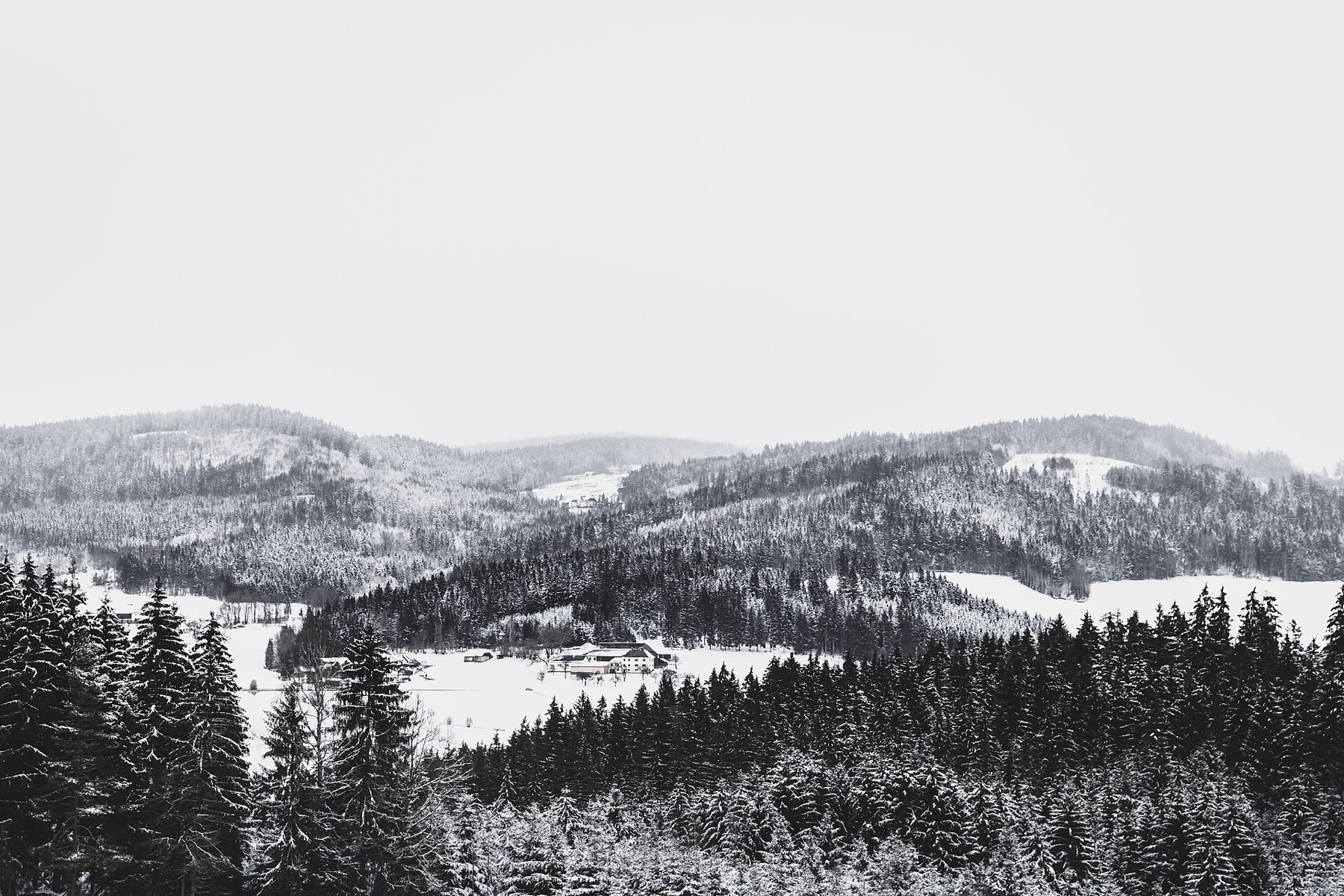
The frames I did get are some of my favourites from the year: low sun, long shadows on snow, steam from the river. Snow is the easy part for black-and-white film once you remember to give it more exposure than the meter suggests, about one stop, otherwise it comes out grey. The shutter is going to a repairer in spring for a clean. Until then it is a summer camera.
— Elin, 26 January 2025