Sunny 16, and a meter that lies by a stop
My old selenium meter reads one stop under in dim light. How I found out, how I compensate, and why I now trust a rule of thumb from a film box.
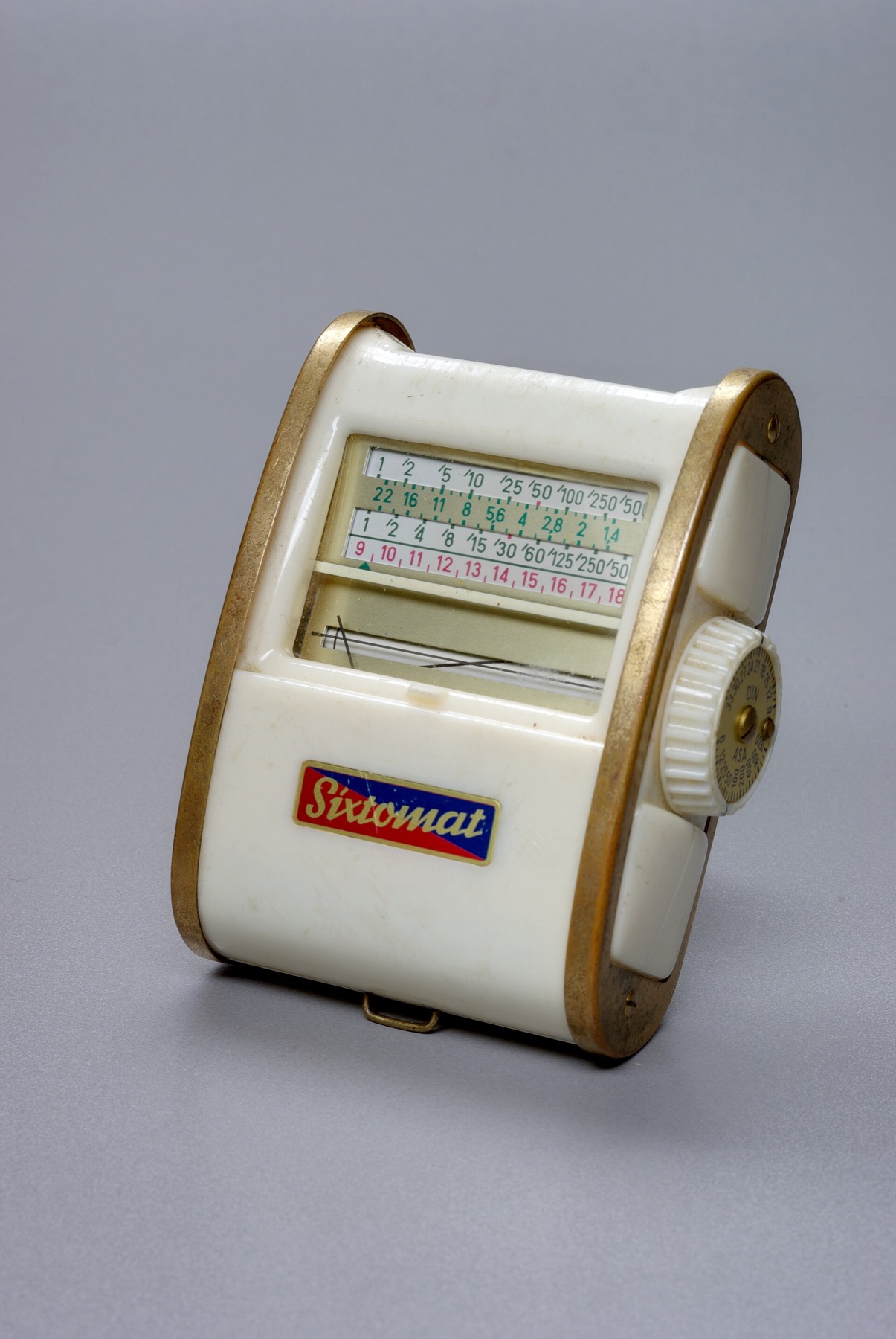
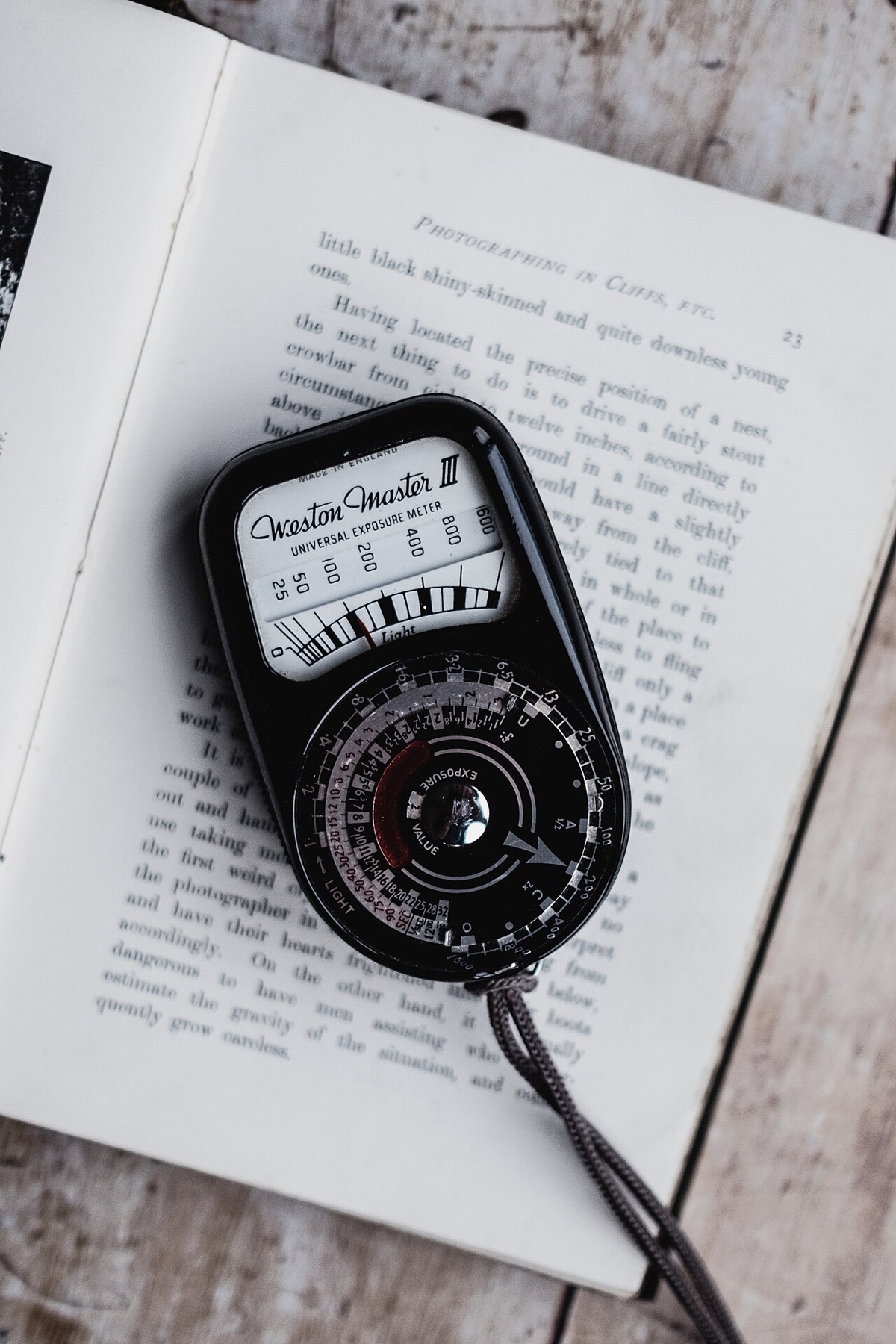
The handheld meter I bought with the folding camera is the old kind with a selenium cell. It needs no battery: light falling on the cell makes a tiny current, and that current moves the needle. The catch is that selenium cells get tired with age, and they get tired unevenly. Mine is accurate in bright light and optimistic in the shade.
How I found out
A roll shot under the trees in the park came back thin, while a roll from the beach the same week was perfect. Same film, same developer. I compared the meter against a phone app and against the meter in a newer camera, at ten different spots around the flat. In sunlight they all agreed. In a dim room, the old meter read one stop more light than was really there.
| Scene | Old meter | Newer camera | Difference |
|---|---|---|---|
| Street in full sun | 1/250 at f/16 | 1/250 at f/16 | 0 |
| Open shade | 1/250 at f/8 | 1/125 at f/8 | 1 stop |
| Living room, evening | 1/30 at f/2.8 | 1/15 at f/2.8 | 1 stop |
Sunny 16
On bright days I now mostly ignore the meter. The old rule printed inside film boxes still works: in full sun, at f/16, the shutter speed is one over the film speed. For HP5 at 400 that is 1/500 at f/16, or 1/250 at f/22 if the camera does not go that fast. Light overcast, open up one stop. Heavy overcast, two. Open shade, three.

What surprised me is how quickly it becomes automatic. After a month I could look at a street and say "f/8 at 1/250" before I lifted the meter, and the meter would agree.
Compensating
In dim light I set the meter's dial to half the film speed: HP5 becomes 200 on the dial. That adds the missing stop. Black-and-white negative film is forgiving of overexposure, so being generous costs very little, while one stop under means empty shadows that nothing can rescue.
I could buy a newer meter. But this one fits in a coat pocket, needs no battery, and now that I know how it lies, it tells me the truth.
— Elin, 13 October 2024