A bathroom that turns into a darkroom after nine
Blackout board, a towel under the door and a shelf of chemicals. How a small bathroom became the place where all my film gets developed.
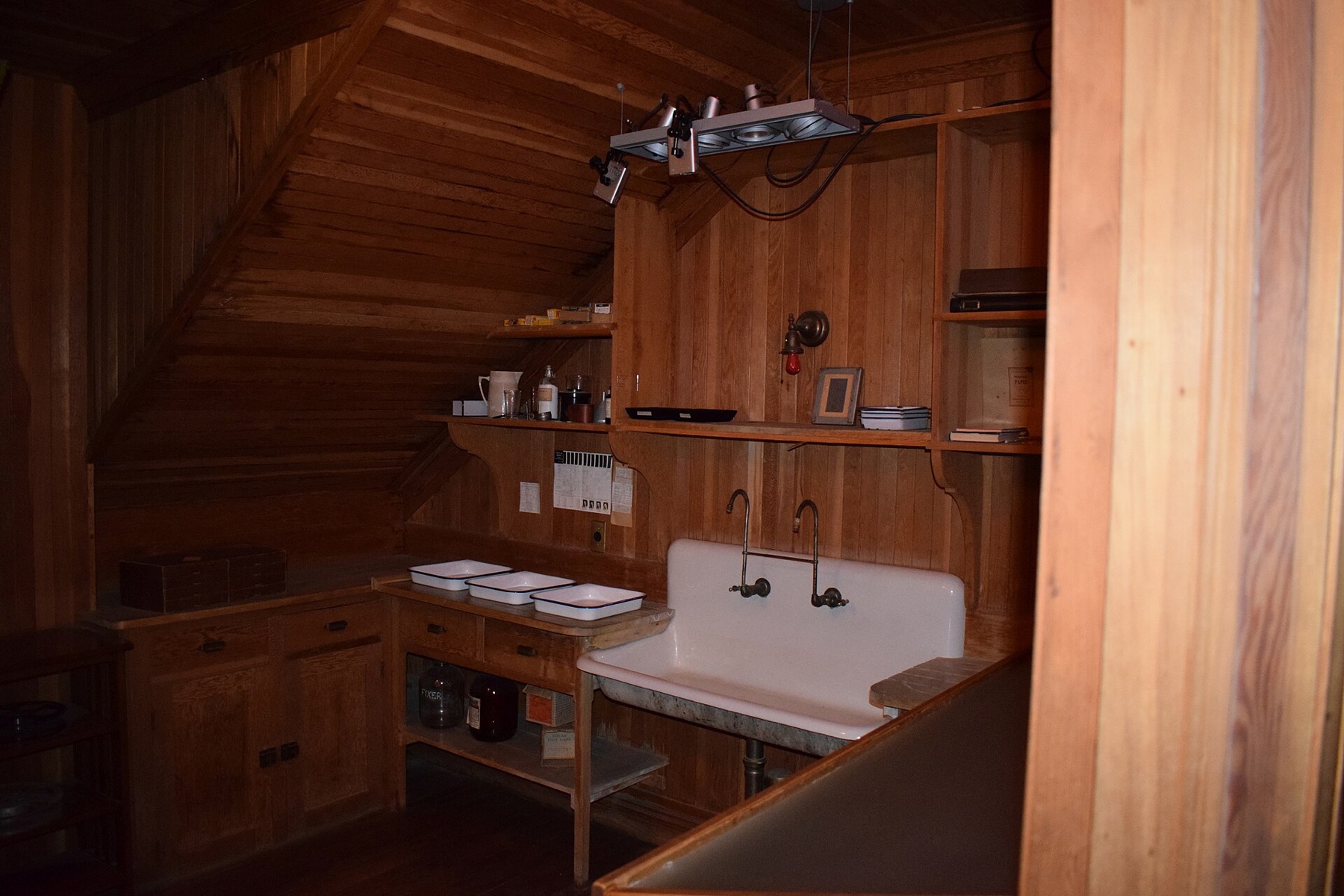
I do not have a spare room, and I am not going to get one. What I have is a bathroom with no window, a door that does not quite meet the floor, and a bathtub that makes a very good place to put trays. Since last autumn that has been enough.
The first rule I made was that everything has to go back into one box when I am done. The bathroom is still a bathroom in the morning, and nobody wants to brush their teeth next to a jug of fixer. So the darkroom lives on one shelf above the washing machine: three brown bottles, a tank, two graduates, a thermometer, a timer, and a roll of masking tape for labelling.
Making it dark
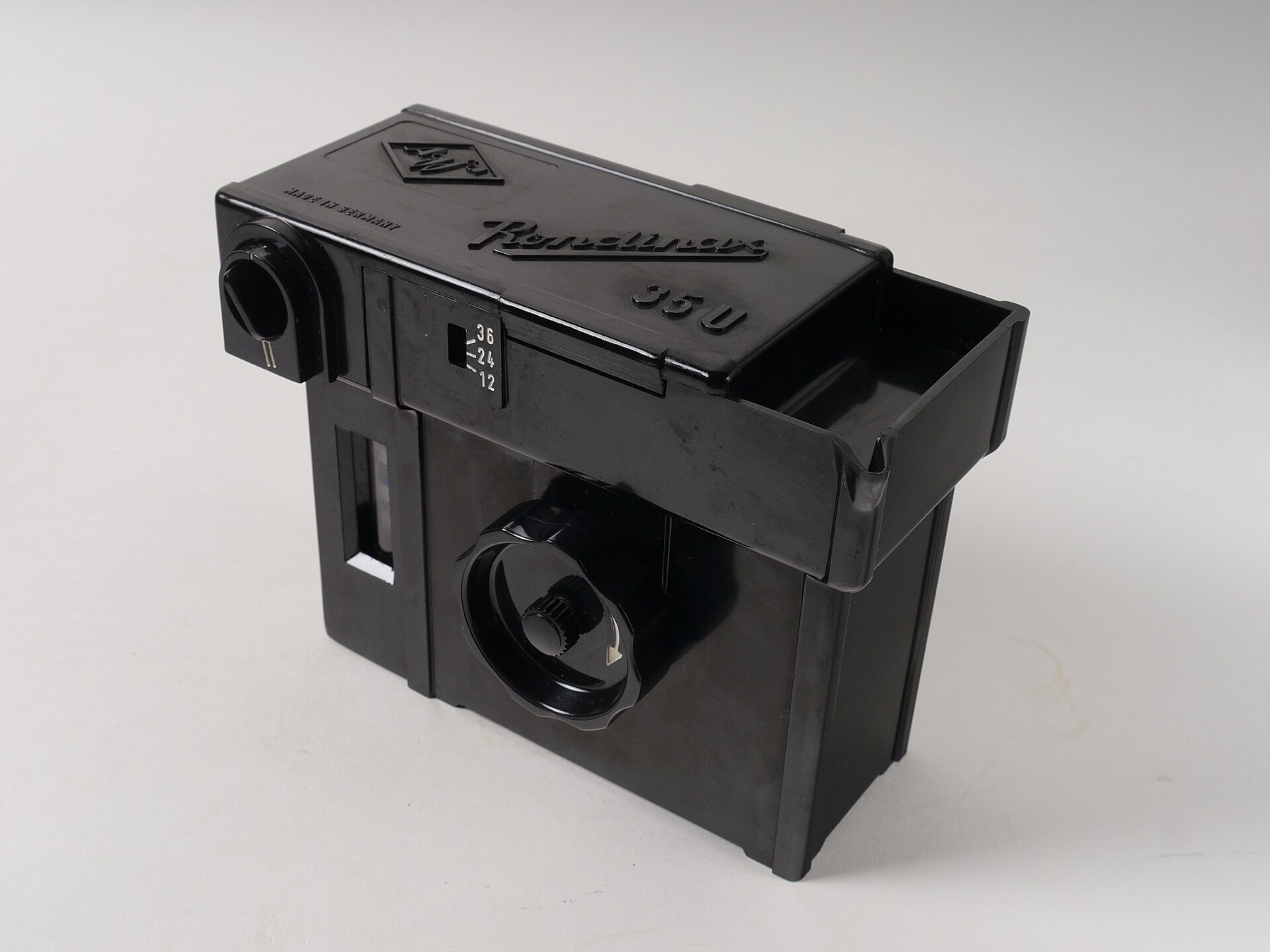
Loading film onto a reel needs total darkness, and total darkness is harder to get than you would think. The ceiling light was not the problem. The gap under the door was. I sat on the floor with the lights off for five minutes, let my eyes adjust, and saw a grey stripe along the bottom of the door and a faint glow around the extractor fan.
A rolled towel solves the door. For the fan I cut a piece of black foam board and hold it in place with two strips of gaffer tape. I tested it the same way, five minutes of sitting in the dark, and could not see my hand in front of my face. That is the standard.
Water and temperature
The good part of a bathroom is running water. The bad part is that the cold tap here runs at 9 °C in January and 17 °C in August. I keep a two-litre jug of water standing overnight so it reaches room temperature, and I mix developer from that. A plastic washing-up bowl filled to the right temperature acts as a water bath for the tank when the room is cold.
What I bought, and what I didn't
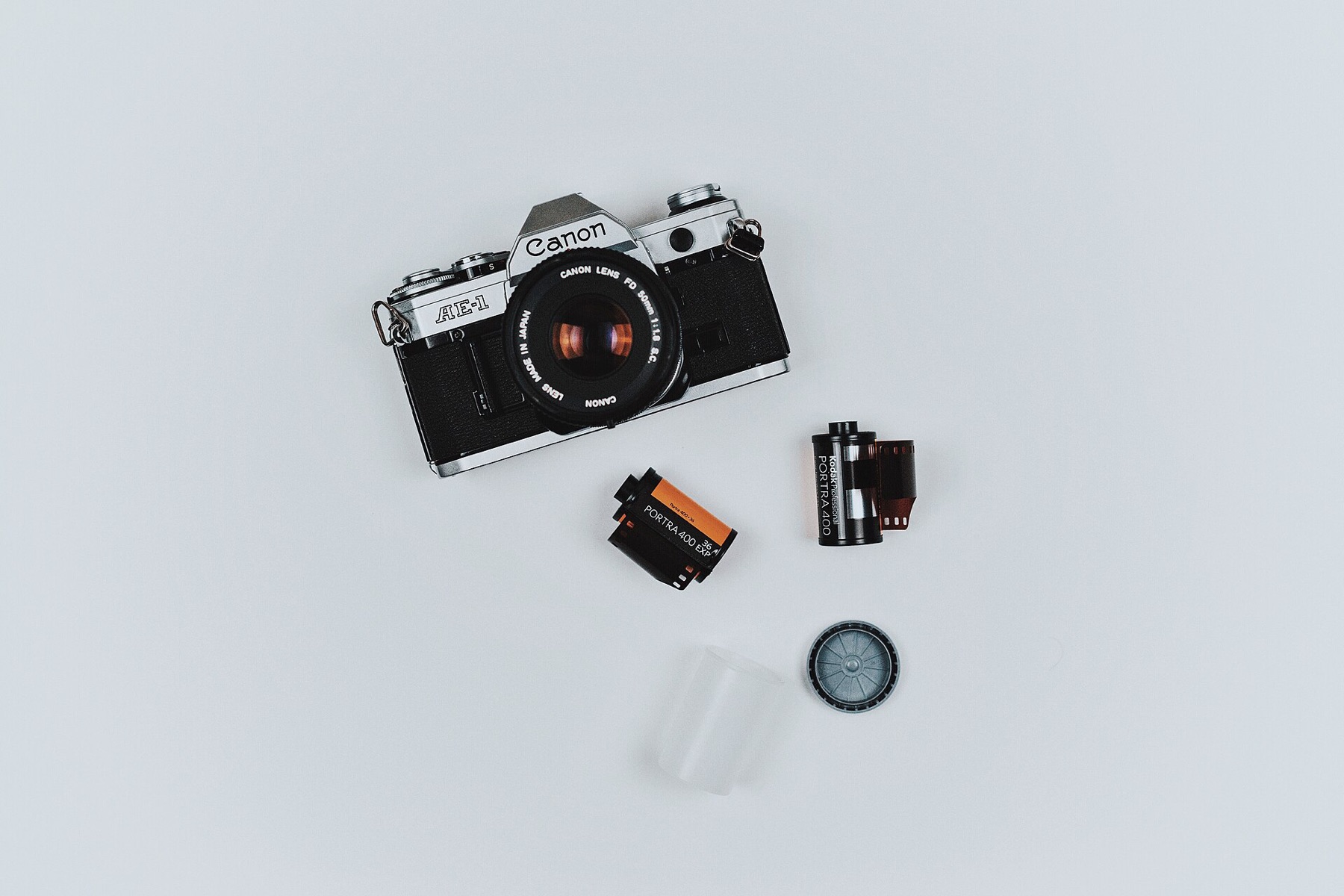
- A second-hand two-reel plastic tank and a changing bag, in case the bathroom is busy.
- One-shot developer, so I never have to worry about whether a bottle has gone off.
- Rapid fixer, mixed one litre at a time.
- A cheap digital thermometer, checked against a glass one before I trusted it.
What I did not buy was a stop bath. Three changes of plain water work fine for film, and it is one less smell in a small room.
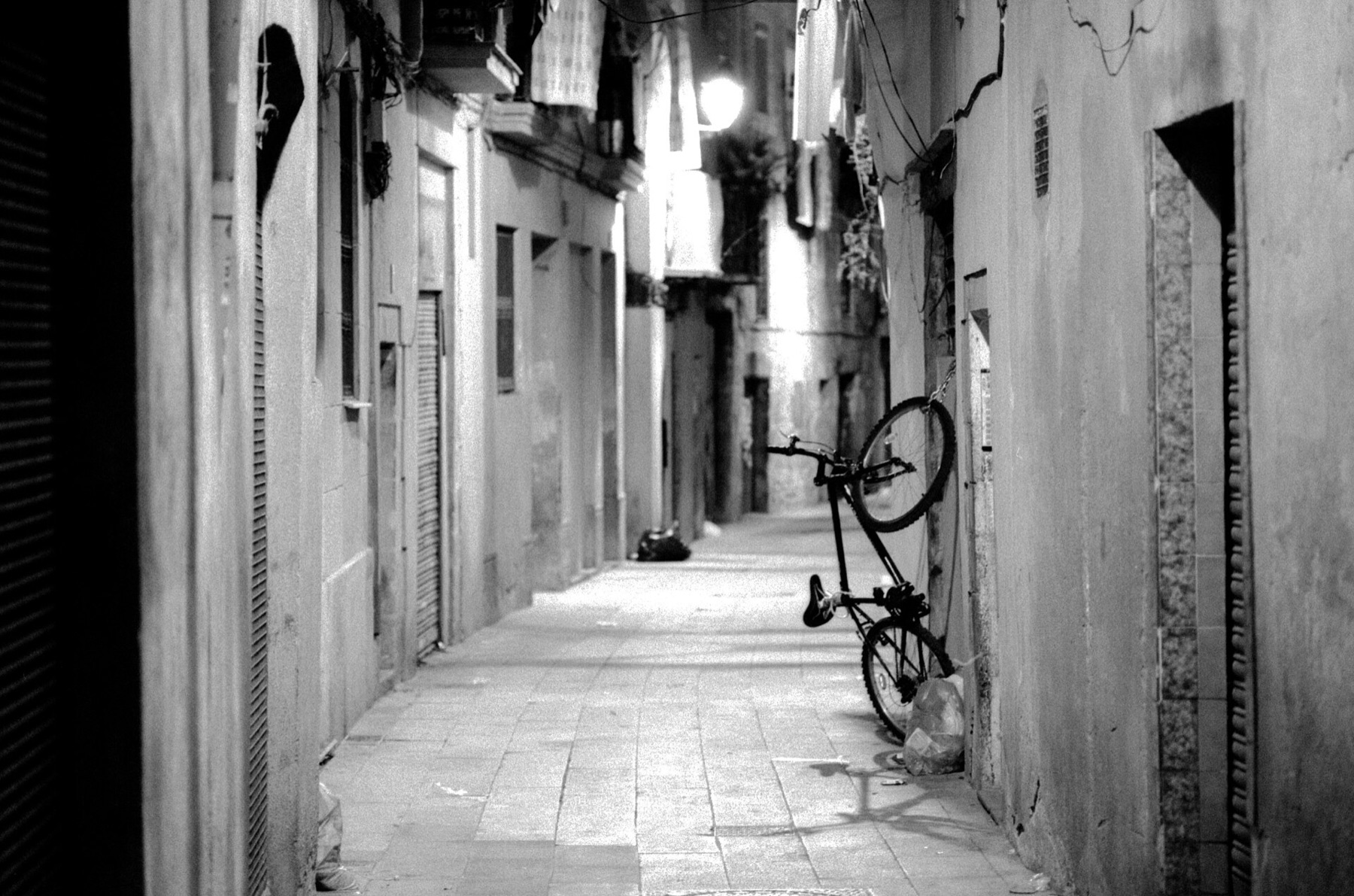
The first roll out of this bathroom was a test roll of street corners and a parked bicycle, and every frame was there. Thin, a little uneven, but there. That was enough to keep going, and it is why this notebook exists.
— Elin, 11 February 2024